HALT Fentanyl Act
Administrative law and regulatory procedures; Department of Justice; Drug trafficking and controlled substances; Licensing and registrations; Research administration and funding
How We Measure Tone
Tone is a numeric score from −6 to +6 measuring how a statement characterizes legislation — not whether we agree with it. The score reflects language intensity, not correctness.
“They named a mass detention bill after one victim to make it politically impossible to oppose.”
— Joy Reid on the Laken Riley Act“The concern from civil liberties groups is the 48-hour takedown mandate — that gives platforms an incentive to over-remove content.”
— Chris Hayes on the TAKE IT DOWN Act“The bill passed the House 218 to 206 with two Democratic votes. It faces a 60-vote threshold in the Senate.”
— Jake Tapper on the Sports Act“The One Big Beautiful Bill was a solid win, in part because it dodged some terrible policy.”
— Kimberley Strassel on the OBBBA“This is a common-sense bill. Laken Riley would be alive today if this law had been in place.”
— Sean Hannity on the Laken Riley ActTone measures how a personality frames legislation, not whether their framing is accurate. A +5.0 and a −5.0 can both be factually correct — the score reflects advocacy intensity. We don't rate outlets as left or right. We measure what they say.
Coverage by Outlet
How each outlet's on-air personalities characterized this legislation. Tone is numeric (negative = critical, positive = favorable). Stance is editorial posture.
| Outlet | Statements | Avg Tone | Favorable | Critical | Neutral |
|---|---|---|---|---|---|
| The Daily Wire | 1 | +3.8 | 1 | 0 | 0 |
| MSNBC | 1 | -3.5 | 0 | 1 | 0 |
| Fox News | 1 | +4.5 | 1 | 0 | 0 |
| CNN | 1 | -0.5 | 0 | 0 | 1 |
Legislative Timeline + Media Commentary
Bill lifecycle events interleaved with on-air statements. Every quote links to its source. Events cite official records.
Introduced by Rep. Brett Guthrie (R-KY). Permanently places fentanyl-related substances into Schedule I of the Controlled Substances Act.
Official record ›Passed the House with bipartisan support. Opponents cited concerns over mandatory minimum sentences and blocking research into fentanyl-related medical treatments.
312-108 Official record ›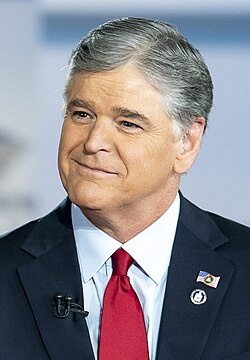
“Fentanyl is killing 70,000 Americans a year. Permanently scheduling these substances is the minimum. The 108 members who voted no need to explain to the families of the dead why they think fentanyl analogues should not be Schedule I.”

“The House passed the HALT Fentanyl Act 312 to 108. It permanently classifies fentanyl-related substances as Schedule I. Supporters say it closes a loophole. Critics say mandatory minimums for drug offenses have not worked historically.”

“The HALT Fentanyl Act permanently classifies fentanyl analogues as Schedule I with mandatory minimums. Civil rights groups say it repeats every mistake of the War on Drugs — mass incarceration without addressing the root causes of addiction.”

“The argument against scheduling fentanyl analogues is that it might hinder medical research. We are talking about substances that are killing tens of thousands of Americans. Schedule them. Fund research separately. This is not complicated.”
Senate companion S. 331 passed with overwhelming bipartisan support. Led by Sen. Chuck Grassley (R-IA) and Sen. Martin Heinrich (D-NM).
84-16 Official record ›Signed into law as Public Law 119-26. Permanently classifies all fentanyl-related substances as Schedule I. Offenses involving 100+ grams carry a 10-year mandatory minimum.
Official record ›